

What is changing for your CEE aid
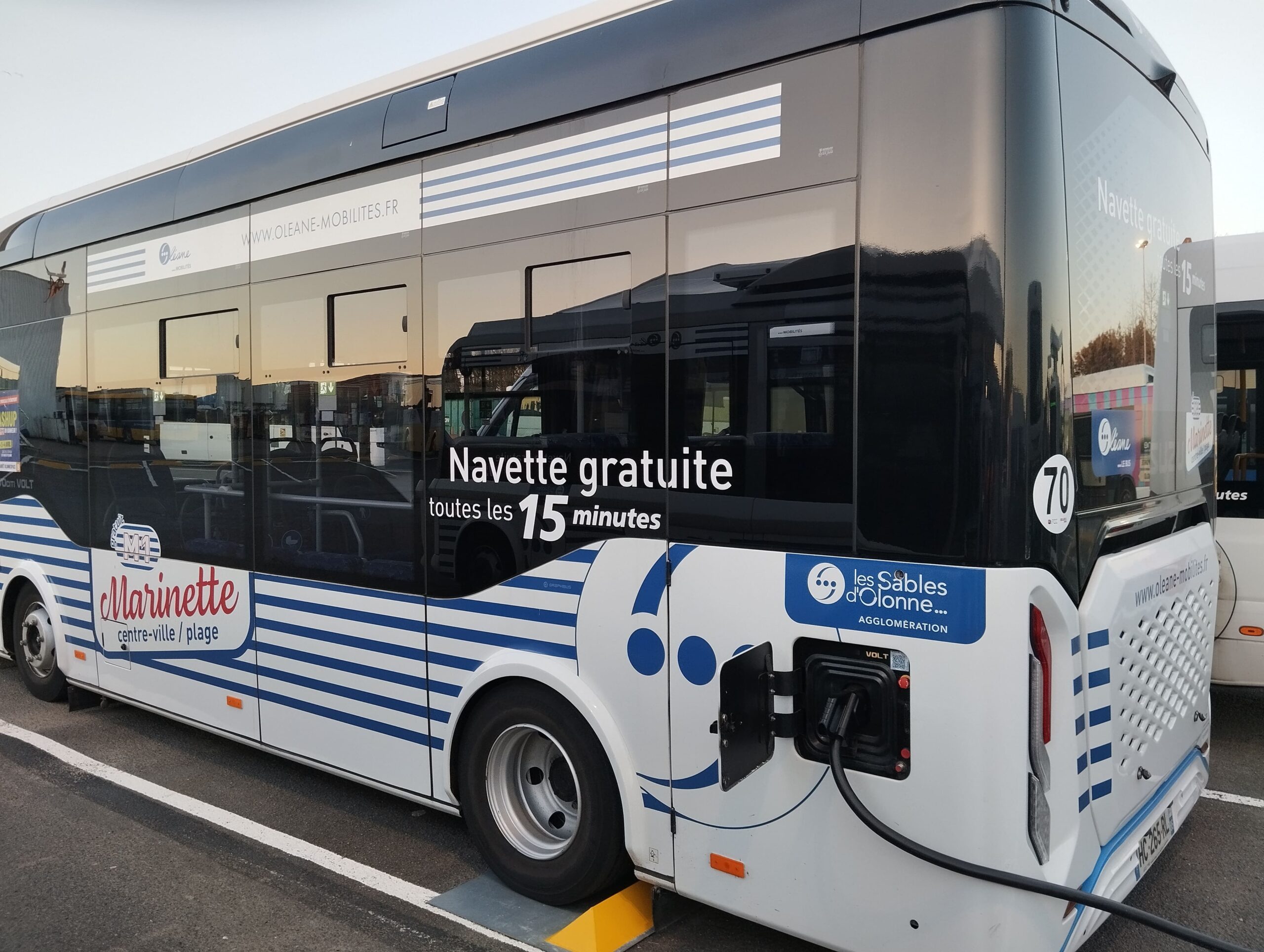
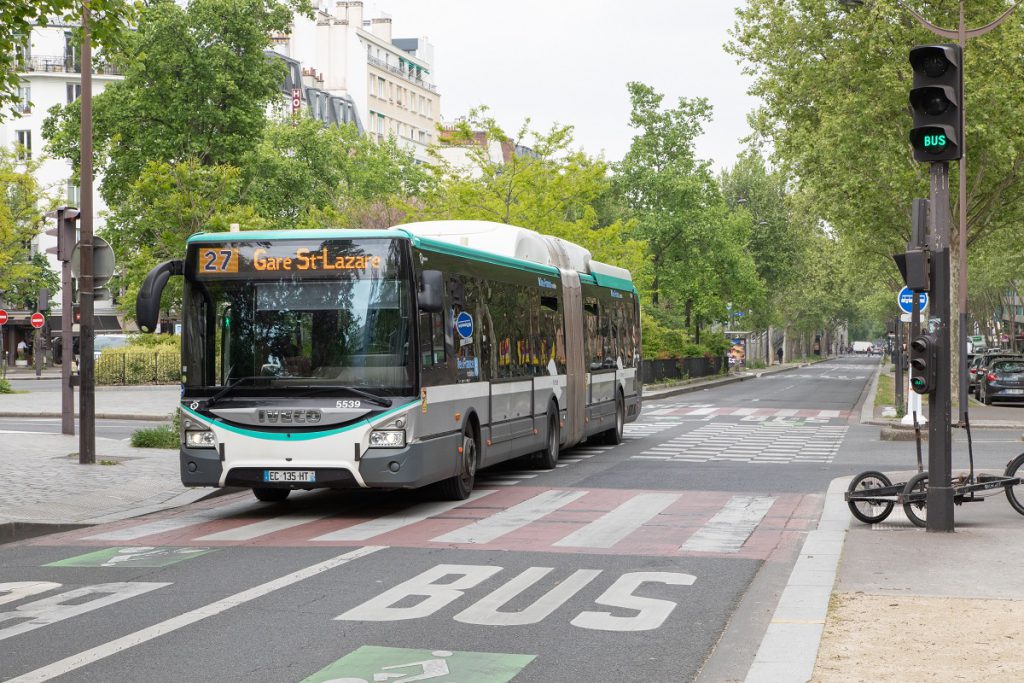
Starting October 2026, CEE bonus rules are changing for electric buses and coaches. The main update concerns the location requirements for the various stages of manufacturing or retrofitting within the European Economic Area (EEA).
For local authorities, transport operators, and fleet managers, this change can have a direct impact on the amount of aid available when renewing an electric vehicle fleet.
TRA-EQ-128: what changes starting October 2026?
CEE datasheet TRA-EQ-128 covers the purchase or long-term lease of new electric buses and coaches, as well as electric retrofit operations.
The decree of September 18, 2026, published in the Official Journal on September 24, updates the conditions for accessing bonuses.
The principle is now as follows: to benefit from the enhanced bonus, the sites involved in manufacturing the vehicle or the retrofit must be located in the EEA, and the vehicle must meet the listing conditions required by the scheme.
Coefficients vary according to the type of vehicle.
The implementation schedule
is gradual
Type of operation
Vehicle categories concerned
Effective date
Bonus
Purchase or lease
“Buses” for urban areas with a population of 250,000 or fewer
October 1, 2026
x5
Purchase or lease
“Buses” for other urban areas
October 1, 2026
x4
Retrofit
“Buses” for urban areas with a population of 250,000 or fewer
November 1, 2026
x5
Retrofit
“Buses” for other urban areas
November 1, 2026
x4
Purchase, lease, or retrofit
“Coach”
January 1, 2027
x6
These provisions apply to operations initiated no later than December 31, 2029.
For coaches, the ×4 coefficient remains applicable before January 1, 2027. From that date, the coefficient may reach ×6, provided the new conditions are met.
A new factor to integrate into your projects: vehicle localization.
For new electric buses, the bonus is now conditional on meeting criteria regarding several sites involved in the vehicle’s manufacturing.
The text specifically identifies:
The manufacturing site
for the bodywork
The manufacturing site
for the chassis
The manufacturing site
for the self-supporting structure,
(if applicable)
The painting
site
The final assembly
site
These sites must be located in the European Economic Area for the bonus conditions to be met.
For a retrofitted vehicle, the scheme also takes into account:
The design site
for the retrofit kit
The production site
for the kit
The installation site
of the kit on the vehicle
The localization of the vehicle and its various manufacturing stages therefore becomes an element to verify as soon as the project is prepared. Model listing also becomes decisive.
For new electric buses, the vehicle must appear on the list of type-variants published by ADEME to benefit from the bonus.
List of new electric light commercial vehicles eligible for acquisition bonuses
https://data.ademe.fr/datasets/liste-des-poids-lourds-electriques-neufs-eligibles-aux-aides-bonifiees-a-lacquisition
List of new electric light commercial vehicles eligible for acquisition bonuses
https://data.ademe.fr/datasets/liste-des-vehicules-utilitaires-legers-electriques-neufs-eligibles-aux-aides-bonifiees-a-lacquisition
The scheme also provides specific procedures for registering retrofitted buses. Manufacturers must submit the necessary information to ADEME according to the schedule set by the decree.
This step is important for buyers: the mere fact that a vehicle is electric is no longer enough to guarantee the application of the bonus coefficient.
What is the impact for local authorities and operators?
These changes add several elements to be integrated into the preparation of an acquisition project.
Until now, the analysis of an electric vehicle was mainly based on criteria such as:
- acquisition price or lease cost;
- range;
- passenger capacity;
- performance;
- total cost of ownership;
- charging infrastructure.
CEE access conditions must now also be integrated into the project’s economic analysis.
For a fleet of several vehicles, the gap between a project benefiting from the bonus and one that does not meet the conditions can significantly change the amount of aid included in the financing plan. It is therefore relevant to verify these elements before signing the quote or purchase order, and to integrate them into discussions with the manufacturer and the CEE partner.
What should you do for your current projects?
A transitional regime is provided for certain operations initiated before the new provisions come into effect.
Article 6 of the decree notably provides that the old rules can continue to apply to operations included in a list submitted by the certificate applicant to the Minister of Energy. The reference dates are:
- October 1, 2026 for the acquisition of new electric buses;
- November 1, 2026 for bus retrofits;
- January 1, 2027 for the acquisition or retrofit of electric coaches.
The Ministry also specifies that CEE applicants must submit the operations concerned according to the census model provided for this purpose.
4 points to check before launching your project
1. Identify the operation’s commitment date
The commitment date determines the applicable CEE regime. It is therefore essential to precisely document the signature date and associated contractual elements.
2. Verify the model and its listing
For a new electric bus, check that the relevant type-variant is correctly listed in the scheme’s official list.
3. Ask the manufacturer for information on the relevant sites
Information regarding manufacturing, painting, and assembly sites can now have a direct impact on the CEE bonus.
For a retrofit, the design, production, and installation sites of the kit must also be examined.
4. Secure your CEE aid amount
Before finalizing your investment, have the following points confirmed by your CEE partner. It is vital not to sign your quote before having compiled your CEE file.
- the applicable coefficient;
- eligibility conditions;
- the vehicle’s listing;
- necessary supporting documents;
- and the amount of CEE actually recoverable.
At ALTENS, we support transport stakeholders in integrating CEE into their energy transition projects. As regulations evolve rapidly, anticipating eligibility conditions helps better secure the financing of your future electric mobility projects.
Since October 1, 2026, the bonus conditions for datasheet TRA-EQ-128 have changed for electric buses. Starting January 1, 2027, coaches will also be affected. Beyond the choice of vehicle, the localization of the various manufacturing or retrofit stages becomes a criterion to be integrated into the project’s economic analysis.
For local authorities and operators currently preparing to renew their fleet, now is the right time to check the impact of these new rules on their future investments.