Reduction
of Emissions
Less CO₂ and fewer atmospheric pollutants compared to conventional fuels.

Accelerate your energy transition with BioCNG.
A renewable, economical, and locally produced fuel, designed to sustainably support the transition of professional fleets.
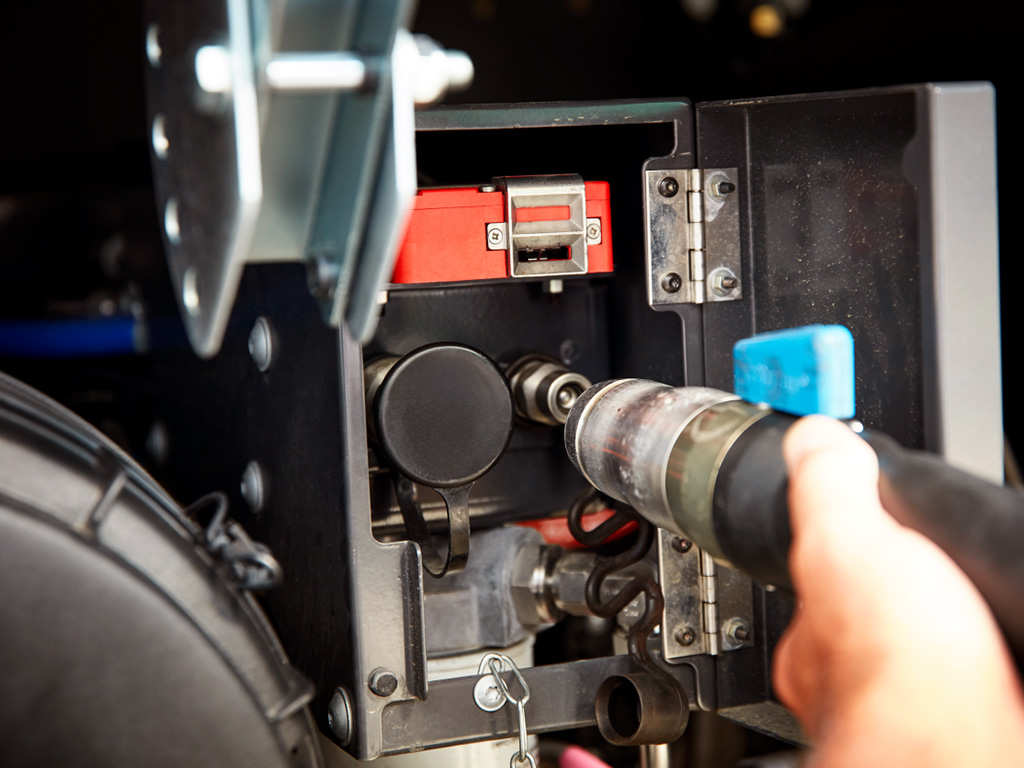
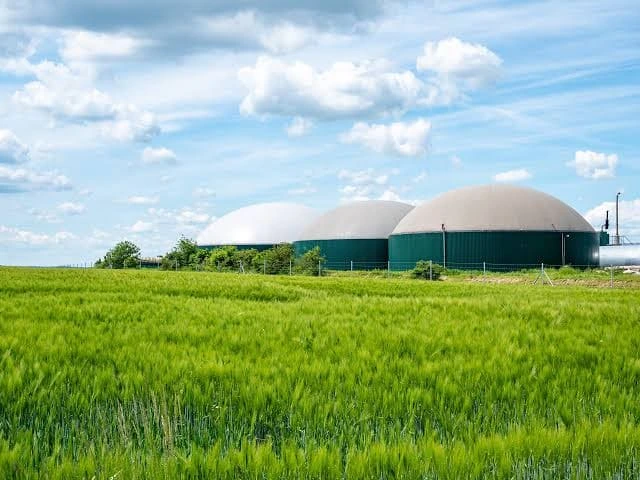
Control your energy budget with a BioCNG offer produced from French organic resources.
ALTENS supports industrial companies, BioCNG station managers, local authorities, and mobility professionals with tailored supply solutions.
Less CO₂ and fewer atmospheric pollutants compared to conventional fuels.
Low odor and fewer particle emissions.
Quieter engines to reduce noise pollution.
French production promoting the circular economy and waste recovery.
With our biomethane offer, your consumption is associated with renewable energy produced in France and injected into the national gas network.
The traceability of biomethane’s origin is guaranteed by the Guarantees of Origin system, allowing you to highlight your environmental commitment.
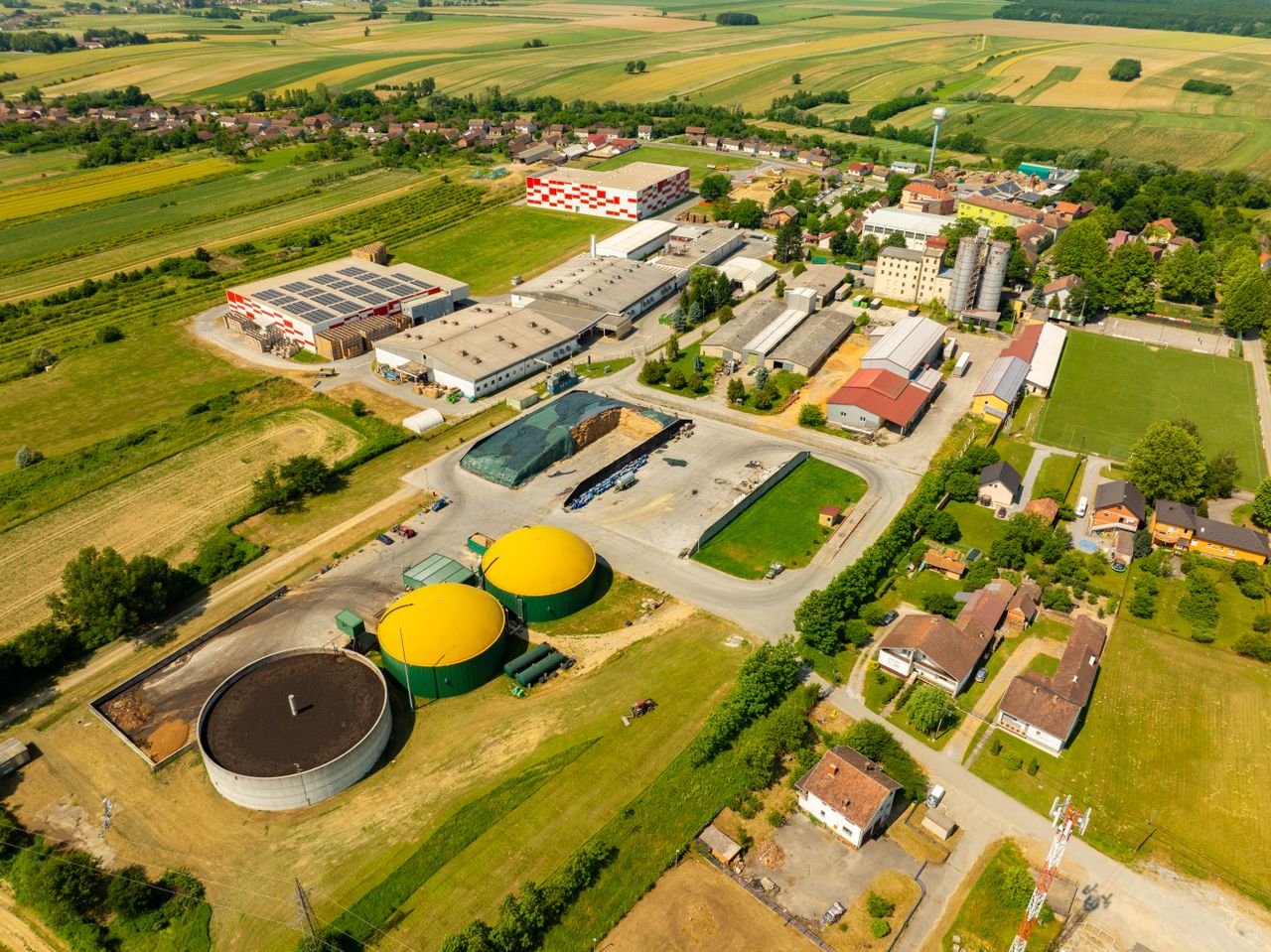

You already have a gas station and are looking for a natural gas or biomethane supply solution tailored to your needs.
You wish to integrate biomethane into your energy mix and need an offer adapted to your operational needs and decarbonization objectives.

You are looking for low-carbon refueling solutions to support your fleet’s energy transition.

Le 10 octobre, Altens, le Département de Seine-et-Marne et ses partenaires ont célébré la cérémonie officielle de clôture du chantier de la station d’Altens à Moret-Loing-et-Orvanne (77). Cette station publique, utilisant du BioGNV issu de la méthanisation de déchets agricoles, entrera en service en fin d’année. Elle permettra un avitaillement rapide de tous les types de véhicules 24 h/24 et 7 j/7.
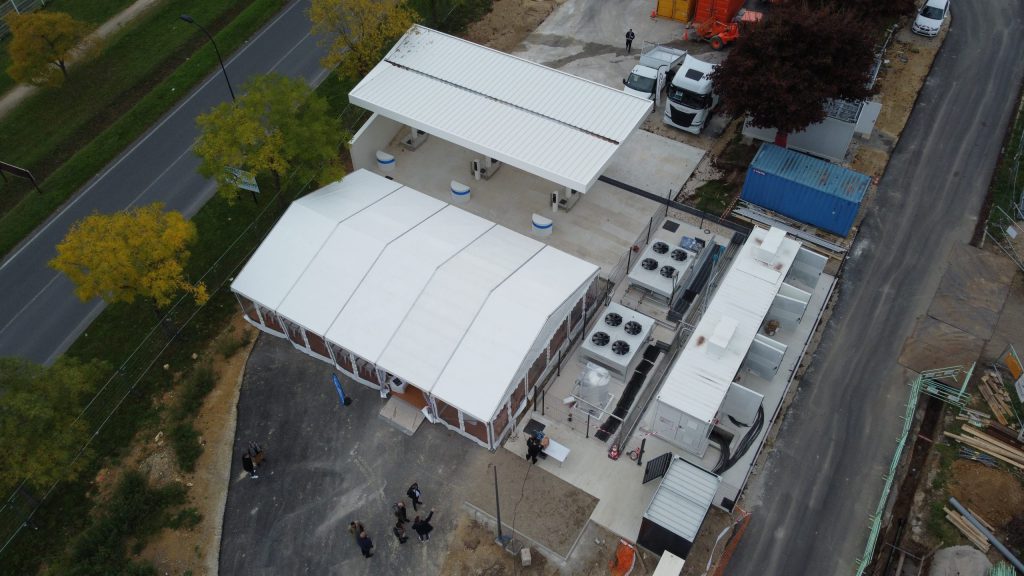
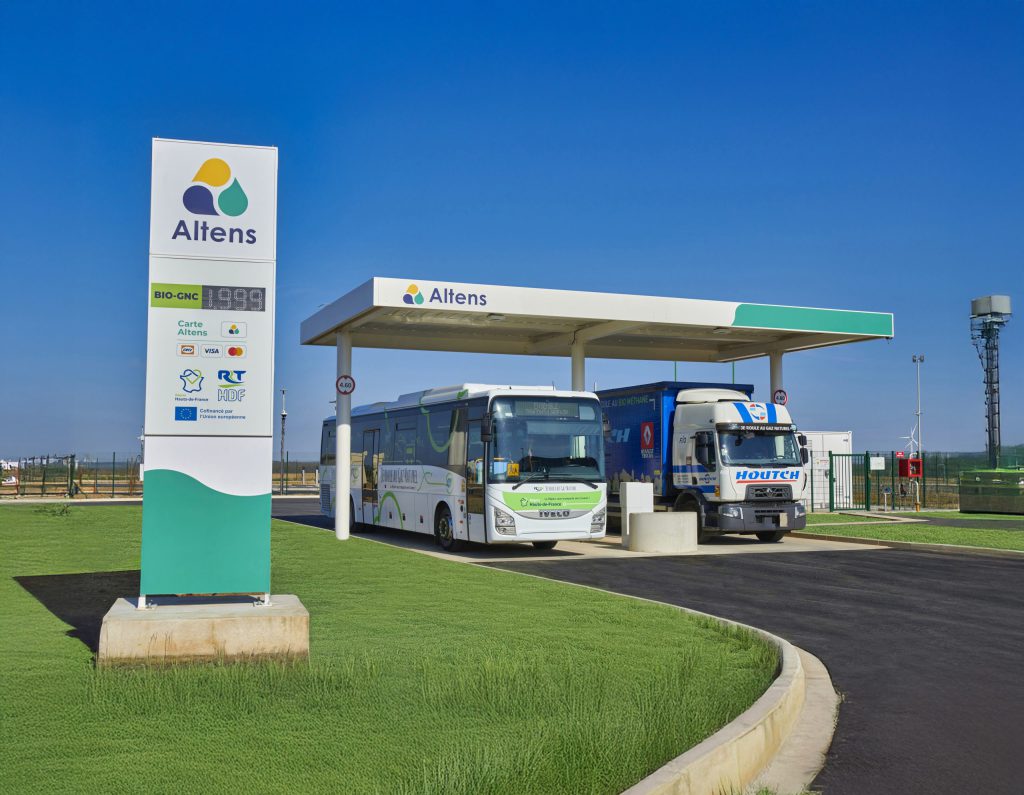
Altens franchit une nouvelle étape dans son développement en faveur de la mobilité bas-carbone, avec l'ouverture d'une nouvelle station BioGNC à Guise, dans l'Aisne.
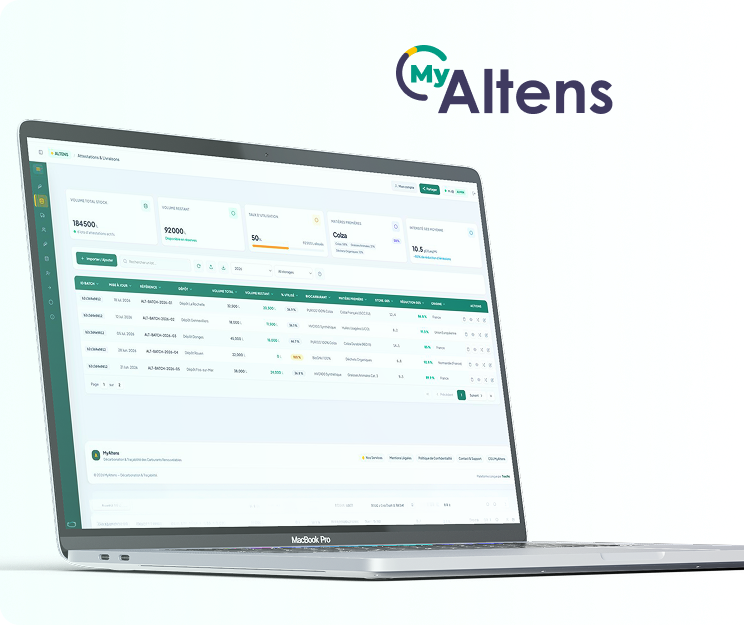
In a world where your clients, investors, and regulations demand proof, MyAltens tracks every liter delivered, every ton of CO₂ avoided, every certificate generated.
Ready for your CSR report, your tender, your CSRD audit. No manual entry. No omissions.
Our platform facilitates the monitoring of environmental information to support companies in their climate strategy.
Are you looking for a gas supply solution for your stations or industrial sites? Contact our teams to build an offer tailored to your needs.

CNG (Compressed Natural Gas) is natural gas stored in gaseous form and compressed to high pressure in vehicle tanks.
Bio-CNG is biomethane, a renewable gas primarily produced from the methanization of organic matter, which is then compressed and used as fuel for vehicles.
The main difference between CNG and bio-CNG therefore lies in the origin of the gas: CNG is generally fossil-based, while bio-CNG is a renewable energy.
Storage in compressed form requires high-pressure tanks and generally offers less range than LNG or bio-LNG.
The range depends on the type of vehicle, its engine, the capacity of its tanks, and its usage.
are particularly suitable for vehicles making regular journeys and having easy access to a refueling station.
, thanks to their higher energy density, generally provide a greater range. They are thus particularly suitable for applications requiring long distances, especially in road transport.
Depending on the models and configurations, some heavy vehicles running on LNG or bio-LNG can achieve .
The difference between CNG (Compressed Natural Gas) and LNG (Liquefied Natural Gas) primarily lies in their storage method.
CNG is stored in gaseous form and compressed to high pressure, while LNG is cooled to very low temperatures to be stored in liquid form.
LNG has a higher energy density than CNG, which generally allows more energy to be stored in a given volume.
The choice between CNG and LNG therefore depends on the desired range, vehicle type, distances traveled, and available refueling infrastructure.
Bio-LNG (liquefied biomethane) is produced from biomethane, which itself comes from renewable organic matter. Biomethane is purified and then liquefied so that it can be used as fuel in liquid gas form.
Like LNG, bio-LNG benefits from high energy density, making it particularly suitable for heavy vehicles and long-distance applications. It thus provides a solution that combines high range with the use of renewable energy.
Thanks to its energy density and the ranges it allows, bio-LNG is particularly suitable for long-distance road transport. It can meet the needs of:
Bio-LNG can thus constitute a decarbonization solution for transporters wishing to reduce their carbon footprint while maintaining the performance and range necessary for long-distance transport.
The choice of fuel primarily depends on vehicle usage, distances traveled, desired range, and available refueling infrastructure.
