Secure
Ensure business continuity with a reliable and adapted energy supply.

ALTENS supports digital players with a global decarbonization approach, combining supply security, energy performance, and CO₂ emission reduction.
Ensure business continuity with a reliable and adapted energy supply.
Reduce the carbon footprint of backup generators.
Improve the energy performance of your infrastructure.
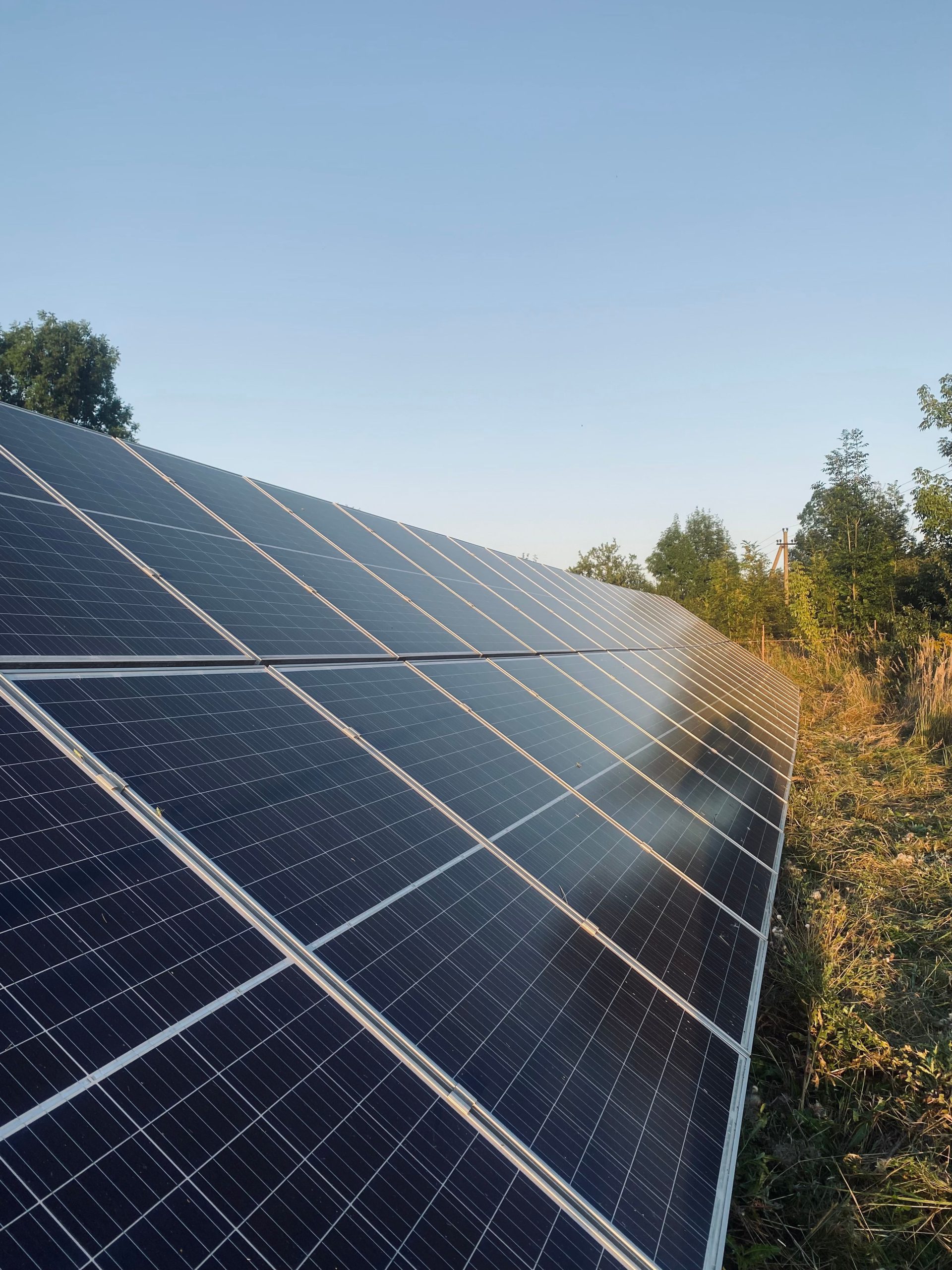
Develop local renewable electricity production.
Secure your energy needs long-term.
Strengthen your ESG commitments with environmental certificates.

HVO100 for Backup Power
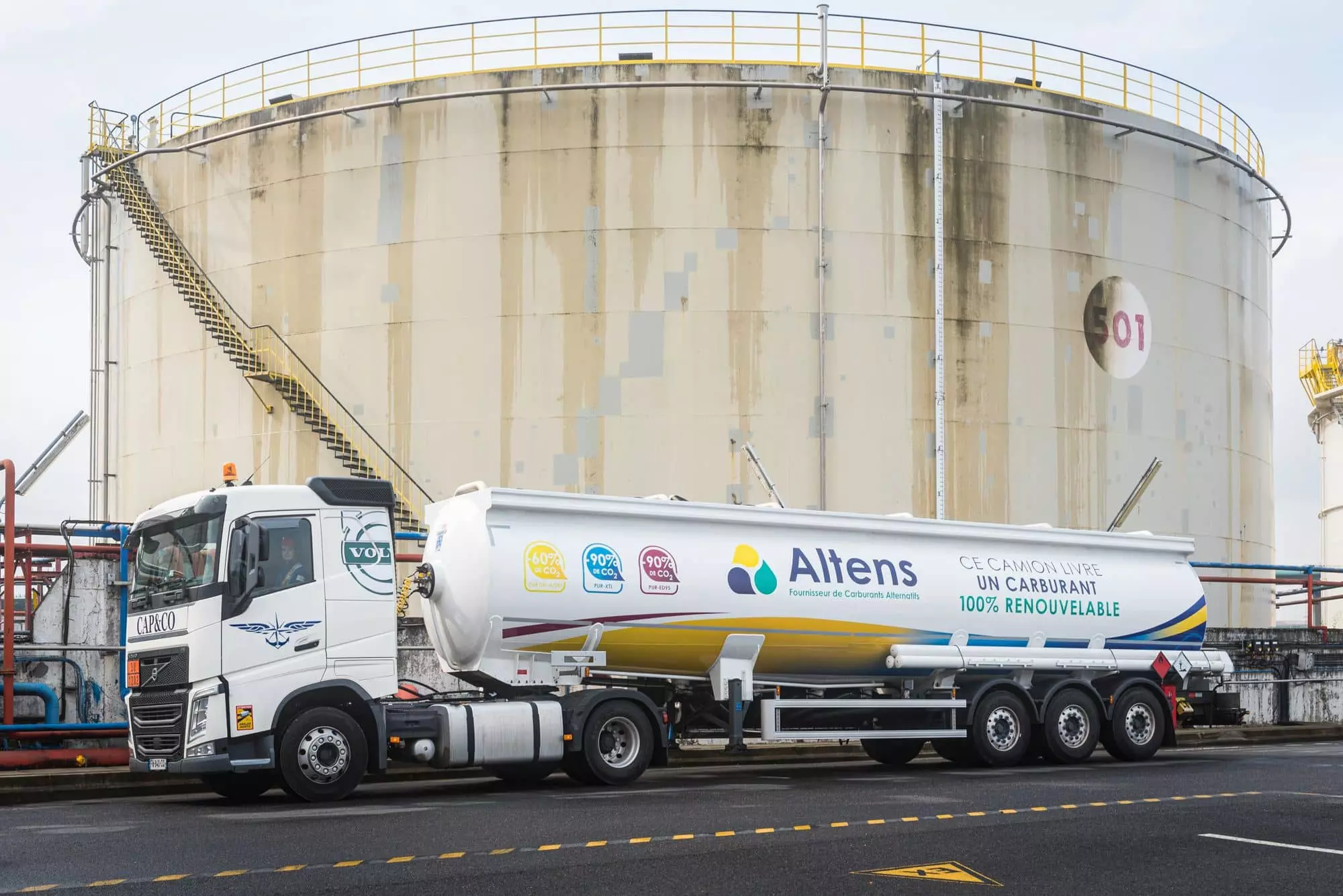
Reduce CO₂ emissions by up to 90% over the product lifecycle while retaining your existing infrastructure.

Renewable Electricity
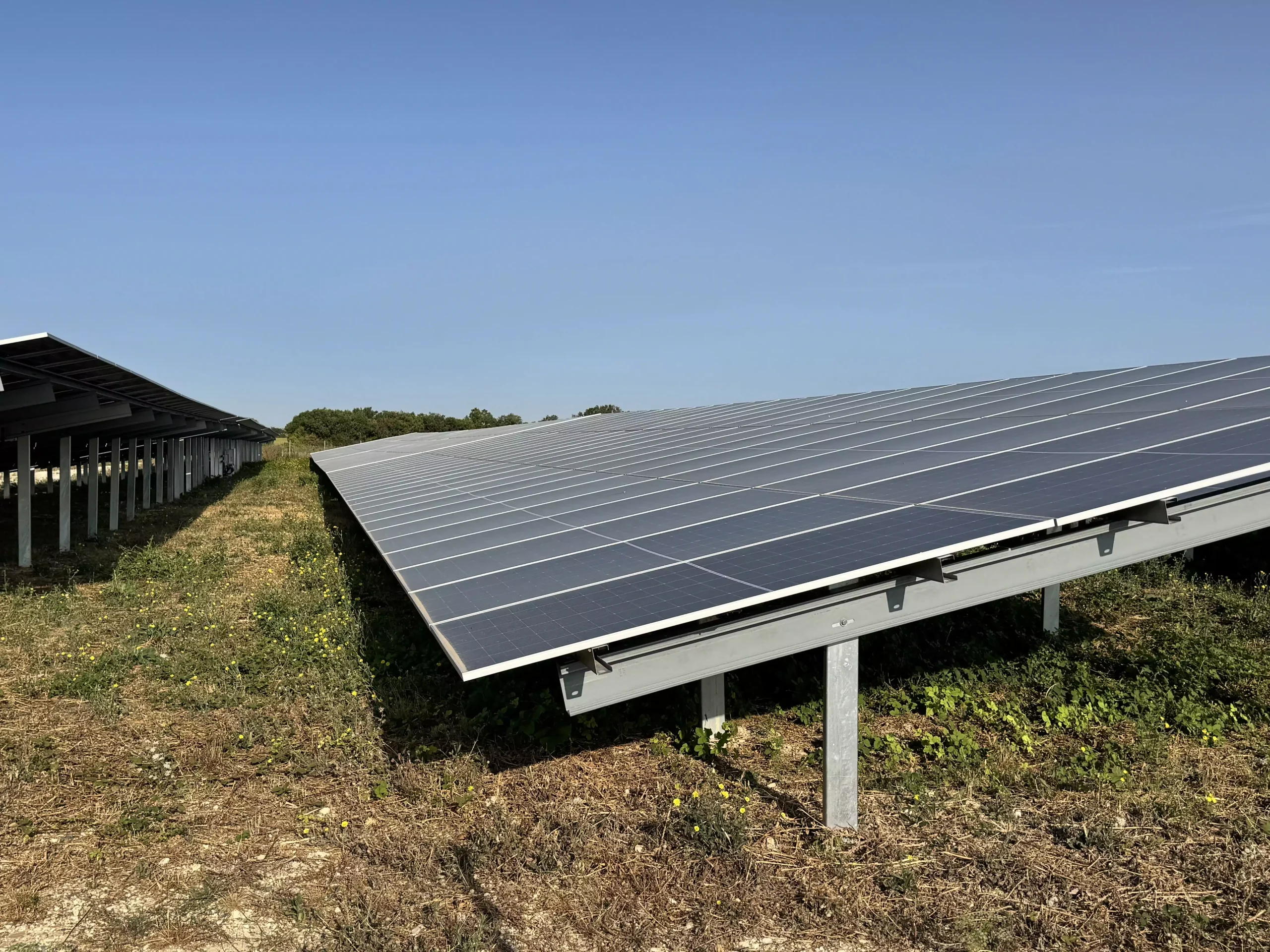
Secure your renewable electricity supply with Guarantees of Origin.

Biomethane
Power your cogeneration facilities with certified biomethane.

PPA Contracts
Secure decarbonized energy long-term through renewable energy purchase agreements.

EEC Financing
Mobilize Energy Savings Certificates to finance your energy performance projects.

Heat Recovery
Implement heat recovery solutions adapted for data centers.
Analysis of consumption, existing infrastructure, and business continuity constraints.
Selection of suitable levers: HVO100, renewable electricity, biomethane, photovoltaics, PPAs, and energy performance.
Energy supply, EEC financing, and deployment of selected solutions for your infrastructure.
Integration of environmental certificates and promotion of your ESG approach.


Yes, HVO100 is an alternative to fossil diesel for powering backup generators, provided that the engines and fuel systems are compatible and manufacturer specifications are met.
Derived from the hydrotreatment of renewable raw materials, HVO100 has a paraffinic chemical structure composed mainly of saturated hydrocarbons, similar to those found in fossil diesel, but with a different composition.
Its main technical characteristics are as follows:
HVO100 offers both environmental and technical advantages for data center operators, particularly for powering backup generators.
The EN 15940 standard regulates several quality parameters, including sulfur content, aromatic compounds, and oxidation stability. For the latter, the maximum value specified according to the NF EN ISO 12205 method is 25 g/m³; actual measured values vary by product.
For a data center, the supply of renewable electricity must balance decarbonization goals, cost control, and power continuity.
Several solutions can be considered: subscribing to a renewable electricity offer certified by Guarantees of Origin, entering into a long-term renewable Power Purchase Agreement (PPA), or developing solar production for self-consumption.
A PPA (Power Purchase Agreement) is an electricity purchase contract concluded between an energy producer and a buyer, generally for a period of several years. It defines the main electricity purchase conditions in advance, including the price or its determination methods, the volumes involved, and the duration of the commitment.
For a data center, a PPA can help secure a portion of the renewable electricity supply, improve visibility on energy costs, and support the development of new production capacities.
Altens supports you in studying the relevance of a PPA contract in relation to your consumption, your commitment horizon, and your decarbonization strategy. Price conditions, covered volumes, and delivery terms depend on the chosen contract.
Energy Savings Certificates (CEE) are a mechanism that allows for the financing of part of certain energy efficiency works, subject to compliance with applicable regulatory criteria.
In a data center, several types of projects can be studied, including:
Eligibility depends on the nature of the work, the technical characteristics of the installations, and the standardized operation sheets in force. Certain operations, such as aisle containment or heat recovery from servers, have specific sheets within the French CEE scheme.
Servers and IT equipment in a data center release a significant amount of heat. Rather than dissipating all this energy, it is possible to recover a portion of it for reuse.
Depending on the site configuration and local needs, this heat can be used specifically to:
Feasibility depends notably on the available heat temperature, proximity to users, thermal demand throughout the year, and the potential need to install heat pumps.