Accelerate
your transition
Up to 90% CO2 reduction.

With HVO100, benefit from a high-performance and sustainable renewable fuel, compliant with the EN 15940 standard, compatible with your road and off-road diesel engines, to accelerate your energy transition and reduce your CO2 emissions by up to 90%.
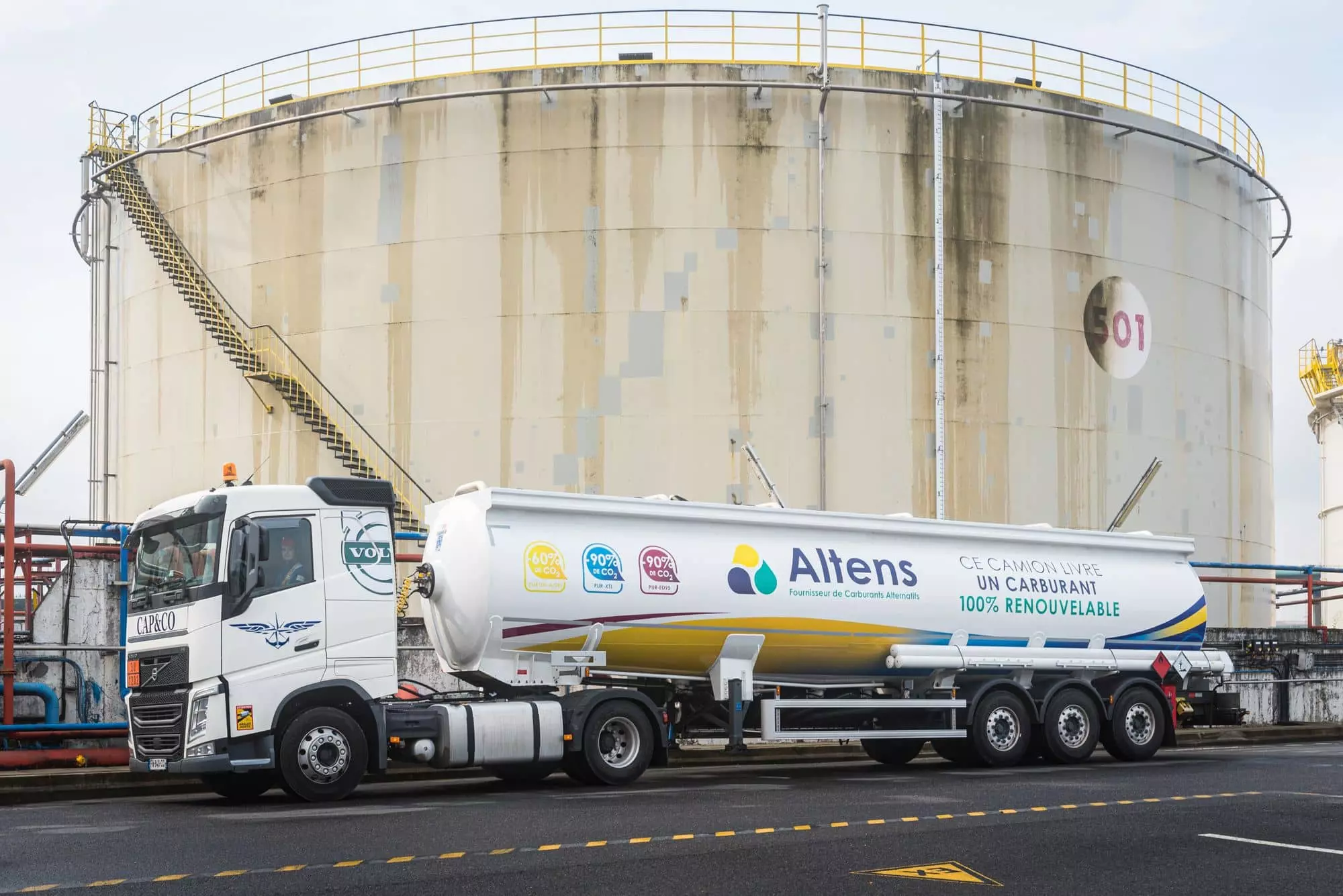

Up to 90% CO2 reduction.
Achieve significant savings on your bill.
Benefit from faster cold starts thanks to a higher cetane index.
With performance maintained between -20°C and -30°C.
Your Certified Traceability Tool.
ALTENS, a pioneer of HVO100 in France, supports you in decarbonizing your activities with a sustainable, traceable solution that meets the highest quality standards.
Whether you are a transport professional, in public works, or a generator operator, you benefit from:
As the leader in introducing HVO100 to the French market, ALTENS completed its listing in ADEME’s Base Carbone®.
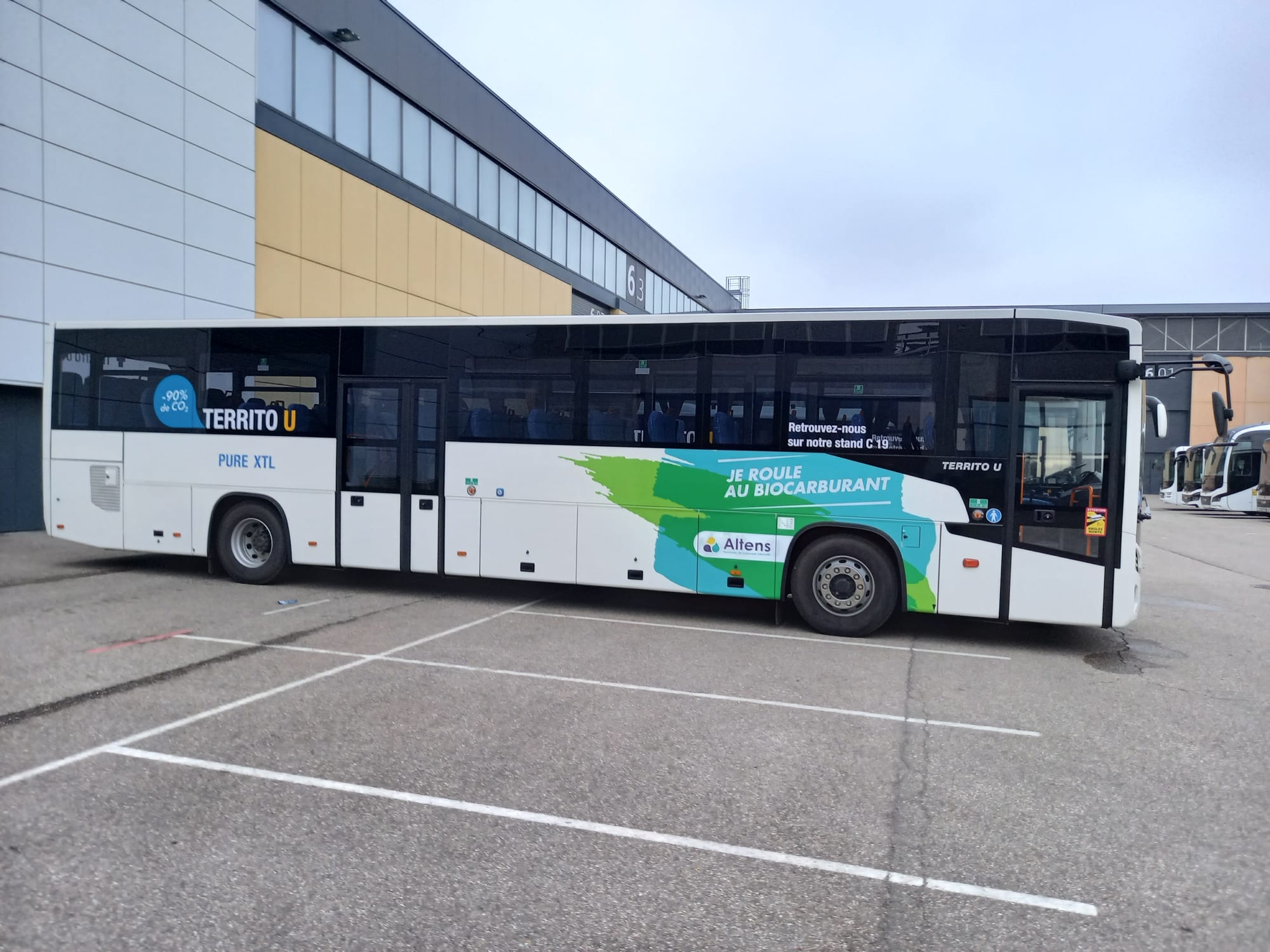
Haulers, local authorities, industrial players: HVO100 facilitates your energy transition.
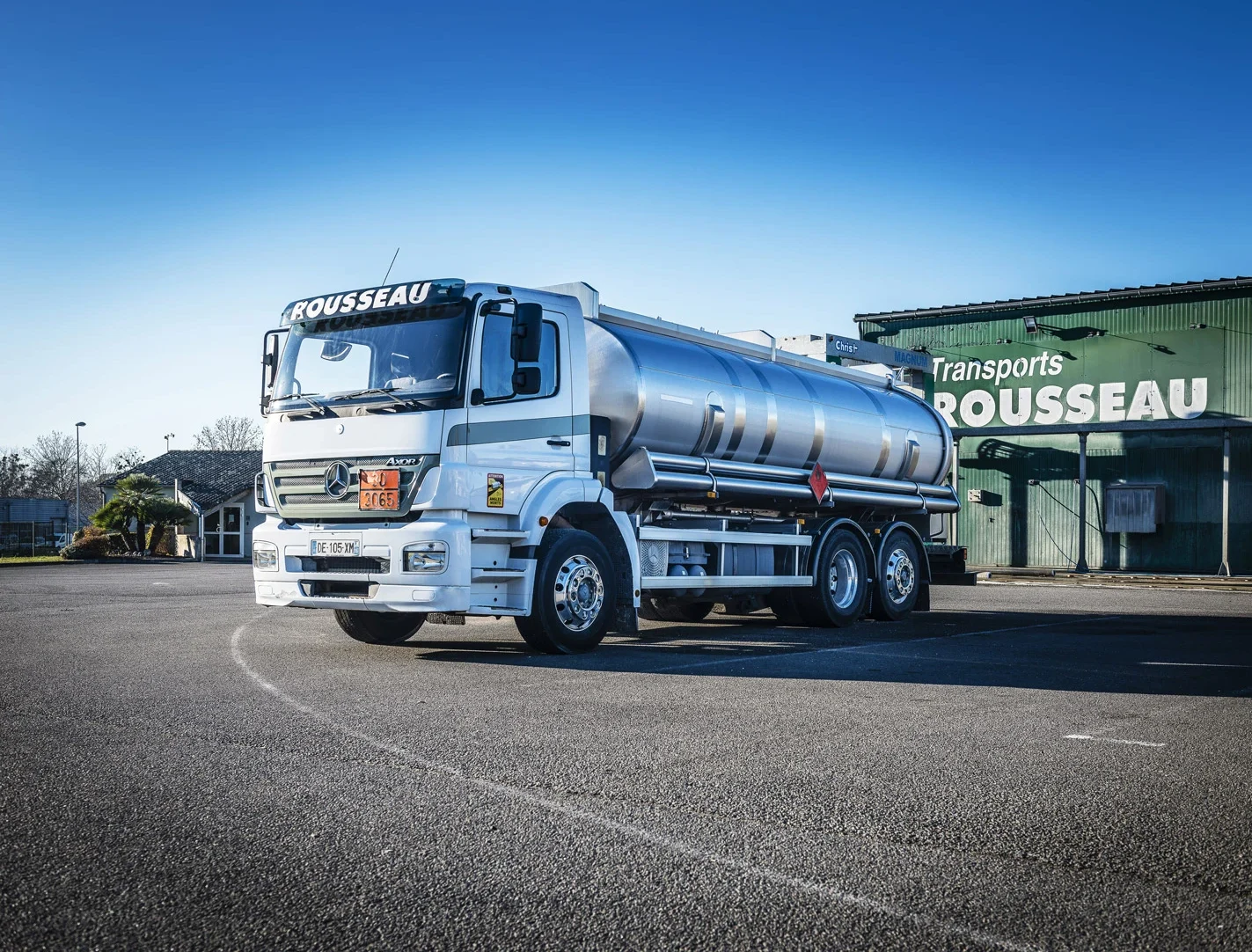
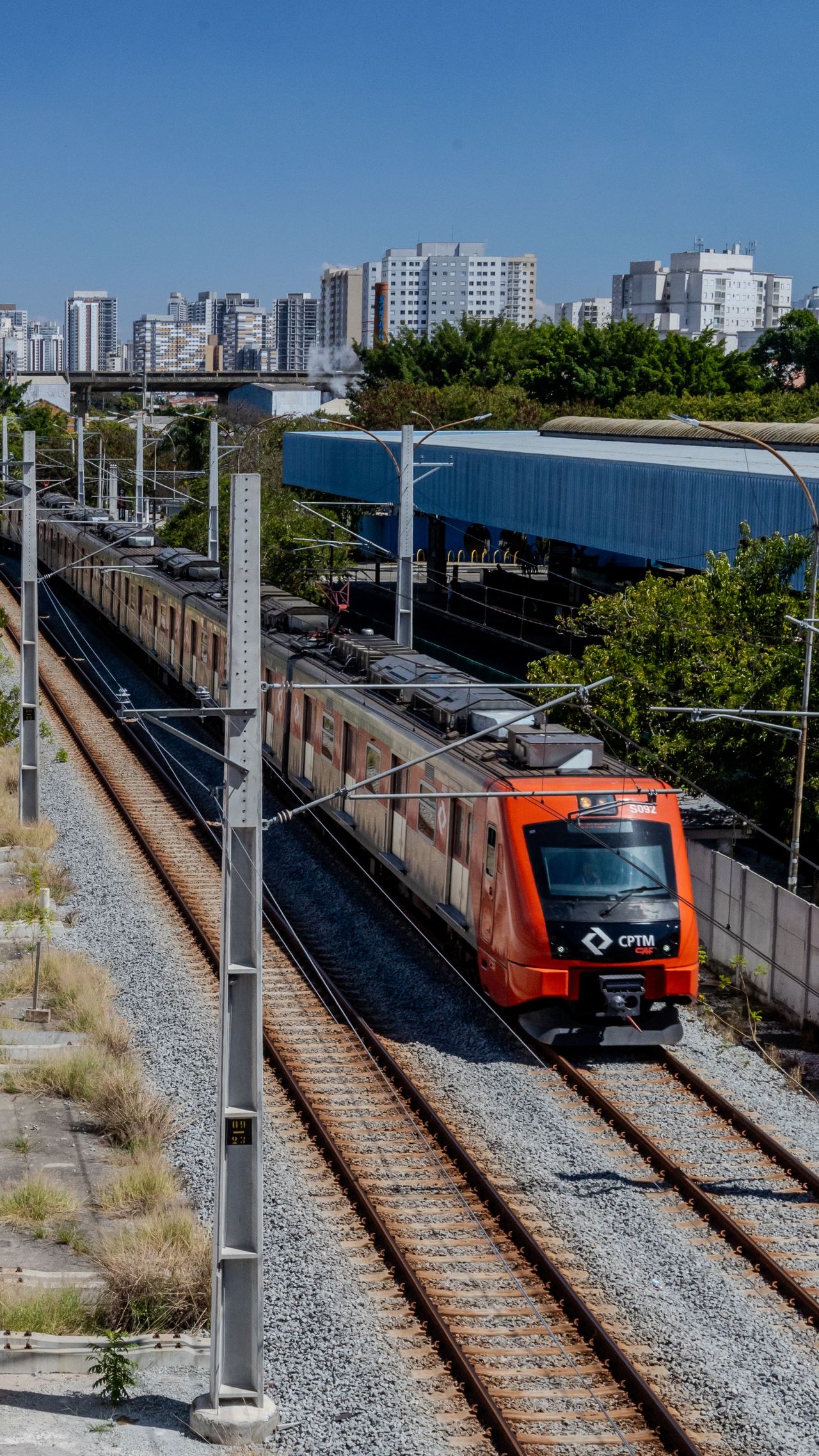
Compatible with most HVO100-approved diesel engines, the fuel can be used pure, blended, or alternately with conventional diesel, without modifying storage infrastructure. A simple and immediately available solution to meet the needs of road and off-road applications:

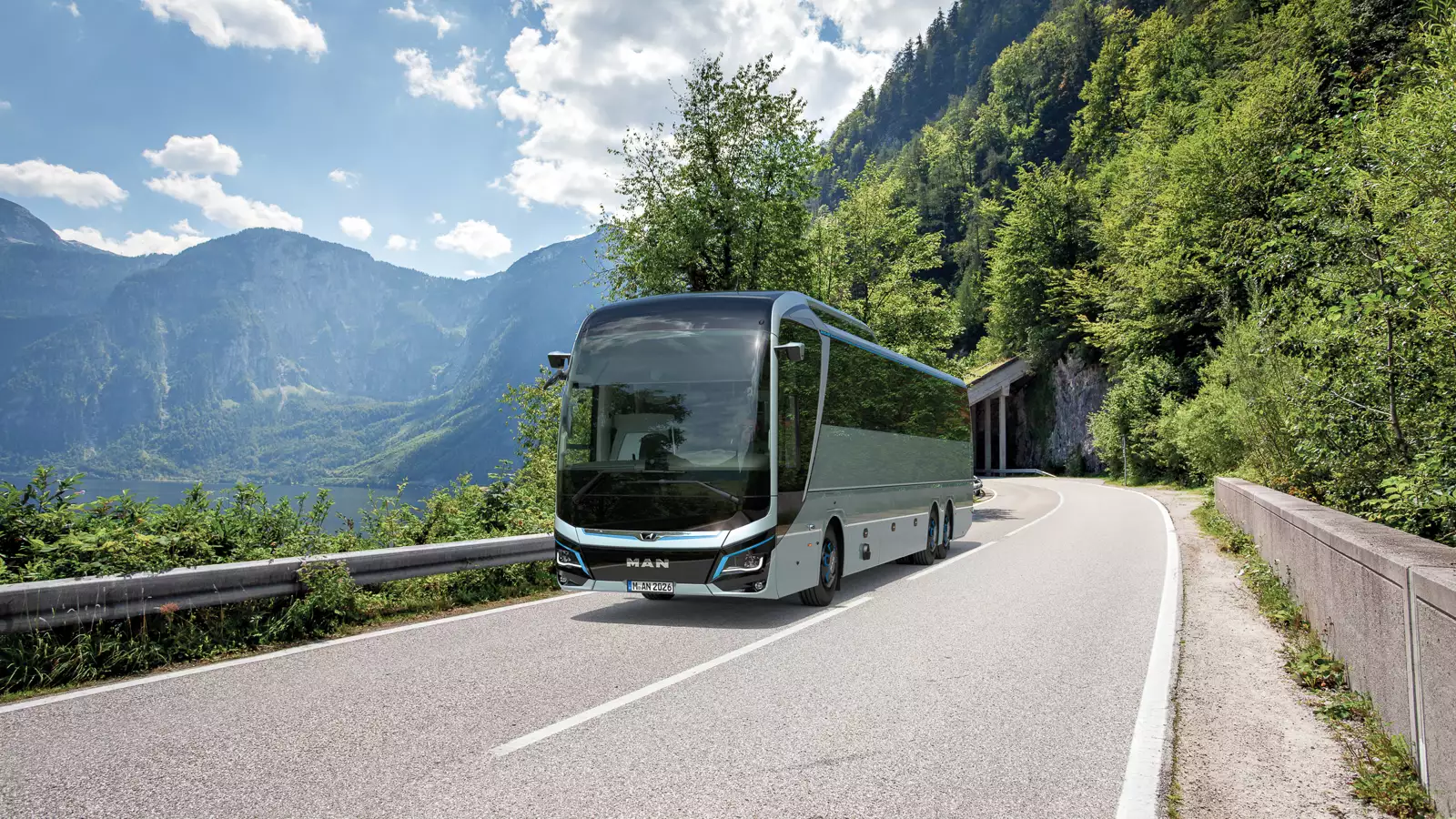
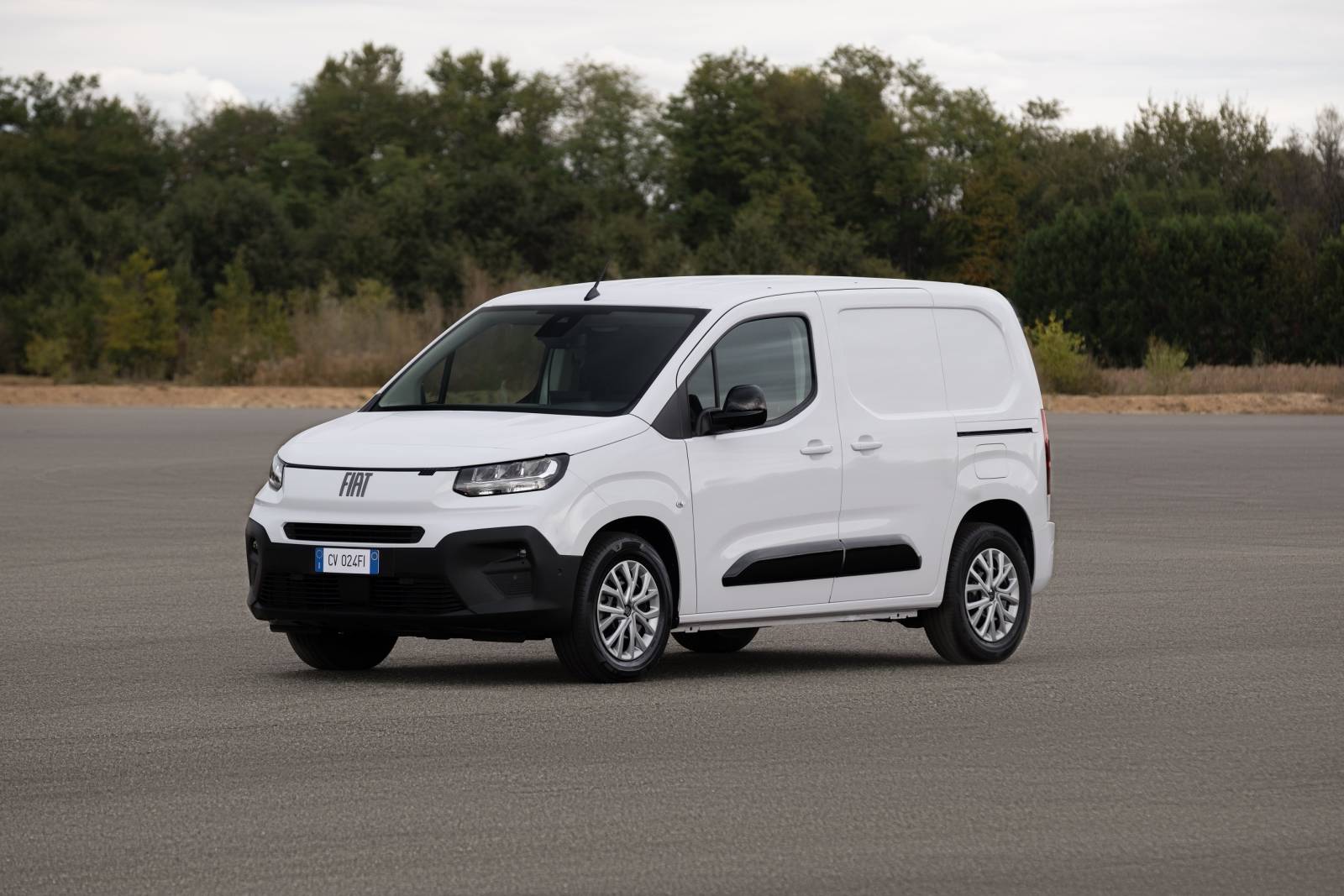
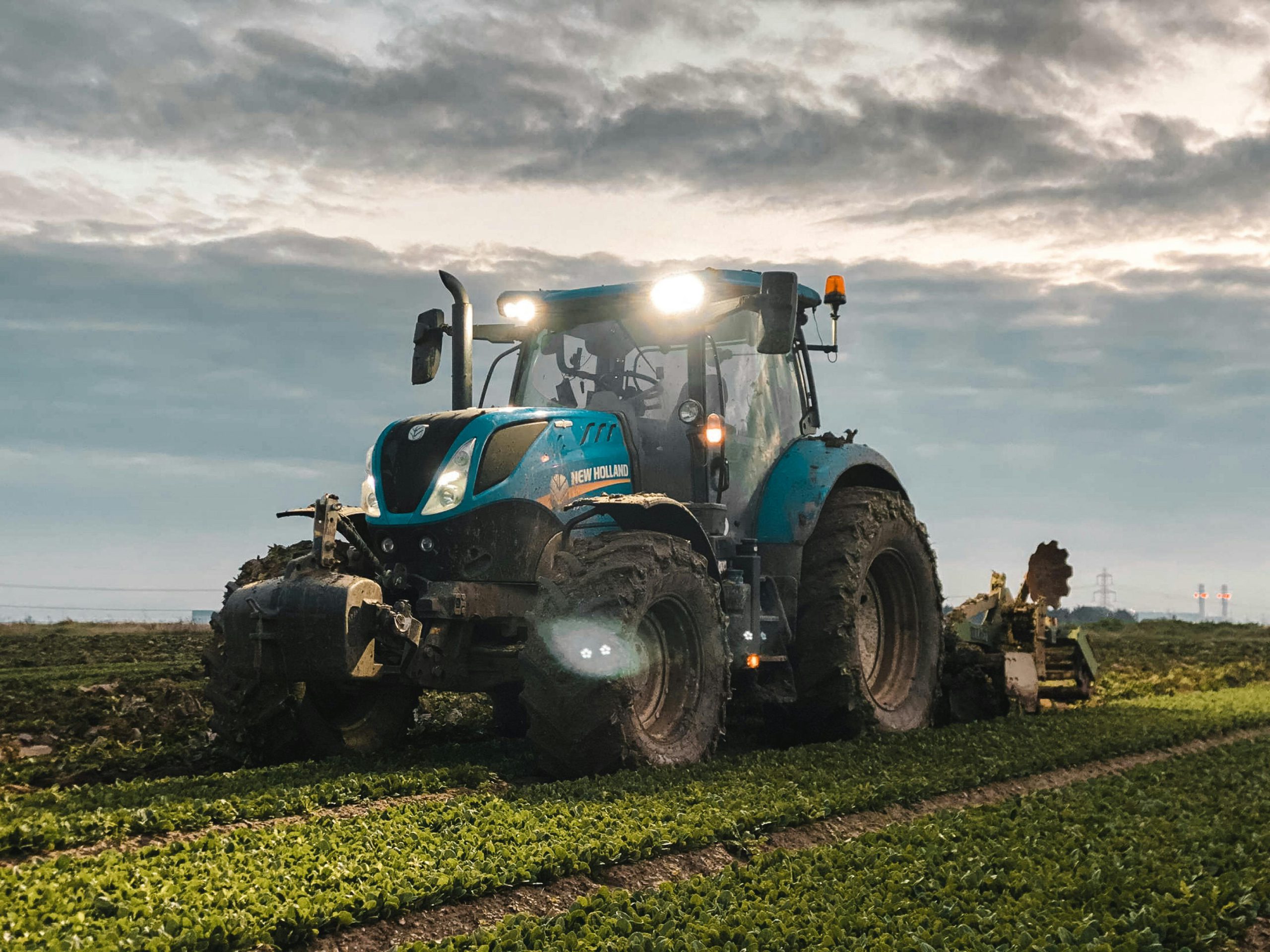
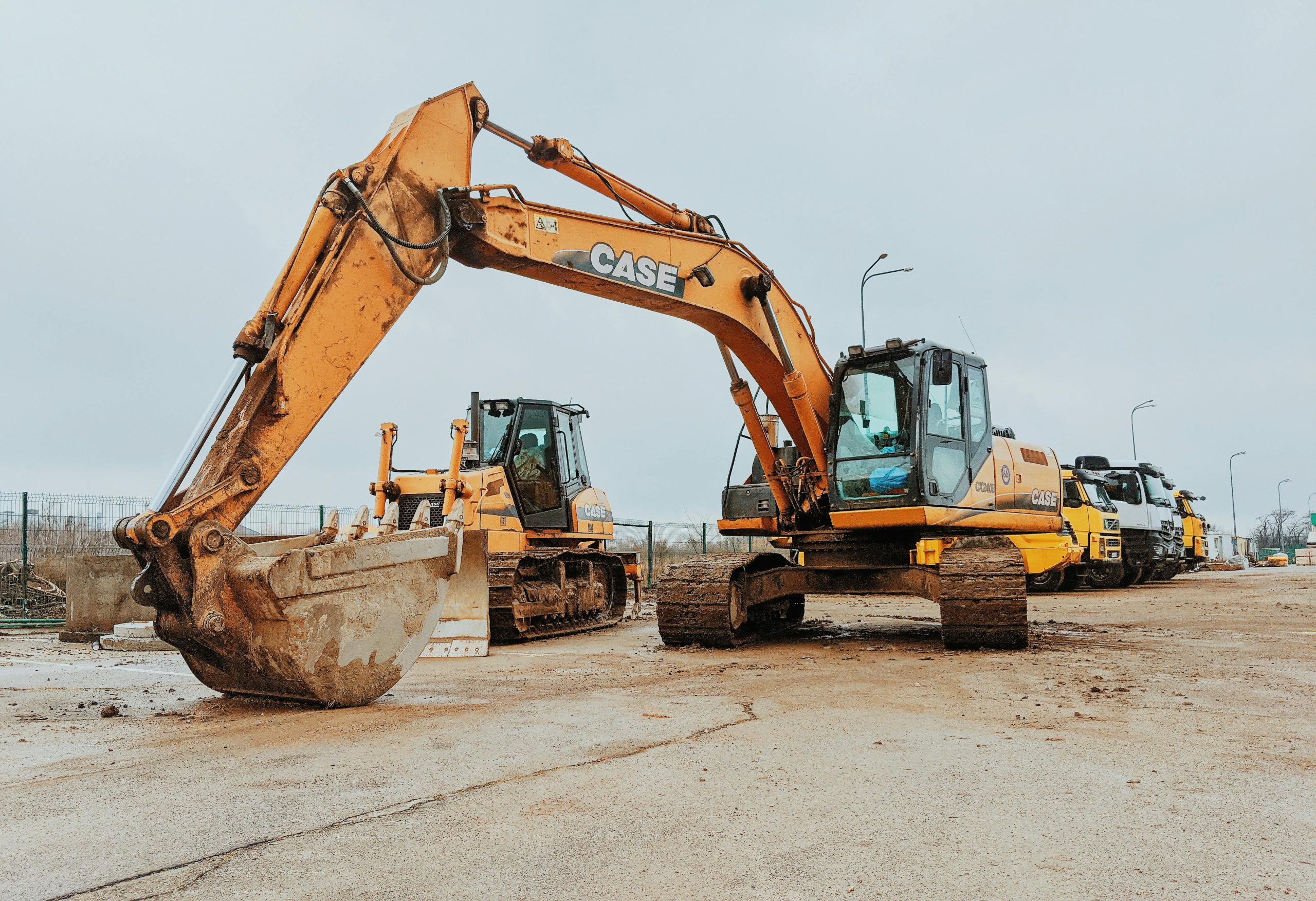
Thanks to its excellent storage stability and cleaner combustion, it is particularly suited for data center backup generators as well as applications requiring very high energy reliability.
Thanks to a network of five storage sites across the country, our team organizes your HVO100 supplies by adapting to your consumption and field needs.

Altens ensures fast and reliable deliveries throughout France

to your needs: delivery from 10 to 38 m3 of fuel

and with full flexibility

Reduce your environmental impact, strengthen
your brand image, and choose a solution
adapted to your CSR objectives.
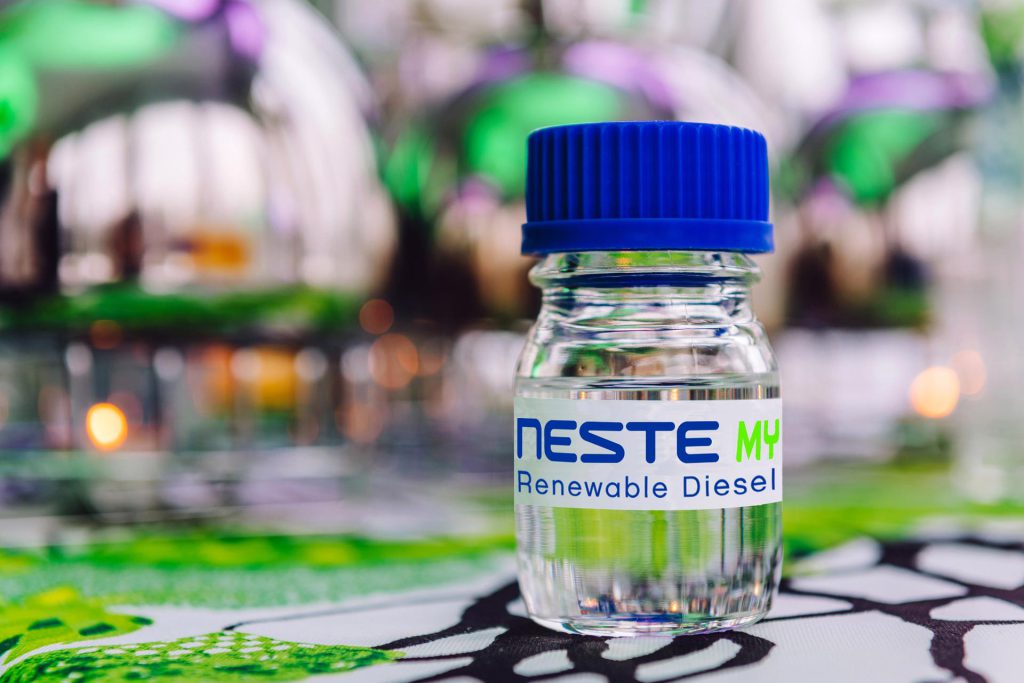
Neste, plus grand producteur mondial de HVO, s'engage avec Altens pour la vente et la distribution de Neste MY Renewable Diesel. Une première en France pour cette solution immédiate qui permet de réduire de manière significative les émissions de gaz à effet de serre.
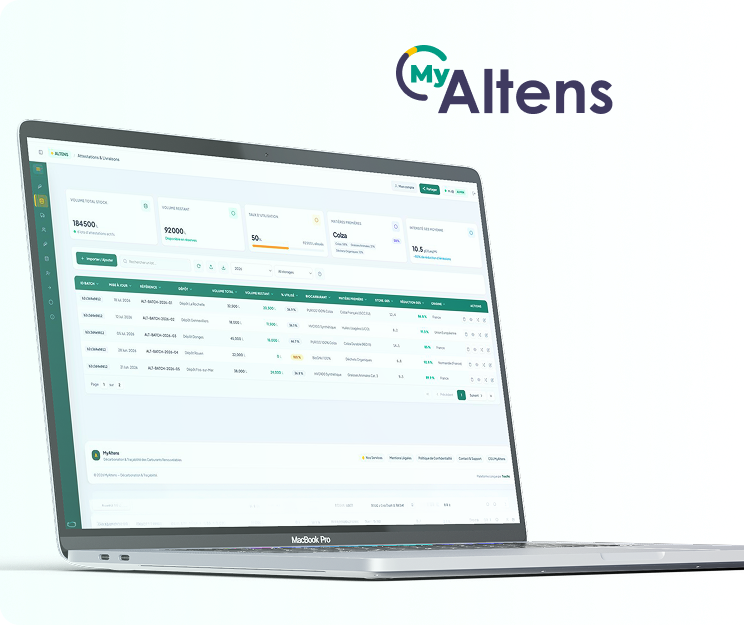
In a world where your clients, investors, and regulations demand proof, MyAltens tracks every liter delivered, every ton of CO₂ avoided, every certificate generated.
Ready for your CSR report, your tender, your CSRD audit. No manual entry. No omissions.
Our platform facilitates the monitoring of environmental information to support companies in their climate strategy.
Let’s discuss the possibilities of storing HVO100 in your existing diesel tank, its miscibility with diesel, its premium quality, as well as the availability of this fuel in road or off-road versions and pricing terms.

HVO = “HVO to EN 15940 standard” for use in blends within B7.
HVO100: “HVO to EN 15940 standard,” for direct use in captive fleets with a lubricity additive complying with regulations.
PUR-XTL: “ALTENS” commercial brand for HVO100.
XTL: abbreviation for fuels meeting the EN 15940 standard.
X-To-Liquid (XTL) is a liquid synthetic fuel that can be produced from several raw materials, each via a specific production technology: biomass (BTL or ‘Bio To Liquid’), hydrogenation of vegetable oils (HVO or ‘Hydrogenated Vegetable Oil’), or gas (Gas to Liquid). All XTLs meet a single standard: EN 15940.
Within this family, HVO is a renewable fuel and stands for ‘Hydrogenated Vegetable Oil’. Today, as technologies have evolved, raw materials from waste such as used cooking oils (e.g., used fryer oil), animal fats, or even wood pulp are treated with hydrogen and transformed into biofuel.
When choosing a fuel, it is important to have a guarantee regarding the raw material. A GTL (XTL derived from fossil gas), for example, will only provide a CO2 gain of 5 to 10% compared to diesel. As Altens’ PUR-XTL is a biofuel derived from recycling, it achieves a 90% reduction.
HVO100 is a higher quality fuel than B7 diesel. This fuel is miscible in any proportion with conventional diesel. It can therefore be stored in the customer’s existing storage. If the hauler wishes to store HVO100 in a separate tank, Altens can provide a tank with a distribution system.
The animal fat recycling industry, including fats collected from slaughterhouses and rendering plants, produces around 3.5 million m3. The collection of used cooking oils from restaurants currently stands at around 1.4 million m3 collected annually in Europe. In the medium term, other residual materials such as wood waste, tall oil, and plastic waste will enter the HVO100 production process. These raw materials will be treated via a fast pyrolysis process, which will multiply the source of raw materials for this biofuel. In the medium term (2030), XTL could be produced by capturing CO2 from the atmosphere and transforming it with a renewable energy input (solar, for example). This is known as PTL (Power To Liquid).